

{
  "authors": [],
  "type": "conference",
  "centerAffiliationAll": "dc",
  "centers": [
    "Carnegie Endowment for International Peace"
  ],
  "englishNewsletterAll": "ctw",
  "nonEnglishNewsletterAll": "",
  "primaryCenter": "Carnegie Endowment for International Peace",
  "programAffiliation": "CC",
  "programs": [
    "Carnegie California"
  ],
  "regions": [
    "United States"
  ],
  "topics": [
    "Technology",
    "Foreign Policy",
    "Economy",
    "Domestic Politics",
    "Civil Society",
    "Democracy",
    "AI",
    "Subnational Affairs"
  ]
}
Prism: West Coast Ideas Impacting the World
Wed, October 14th, 2026 - Thu, October 15th, 2026
Hotel El Roblar, Ojai, CA
The West Coast of the United States has a history of global influence, its ideas shaping and transforming American power since before World War II. Now, at a moment when long-standing practices and relationships in geopolitics are being upended, it is worth reflecting on how the ideas and industries of the West Coast will inform the projection of American power and shape geopolitics more generally. Carnegie California will bring together voices from across the country and the state to examine this unique dynamic at Prism, a forum built around three core ideas:
- Creative, rigorous, and optimistic policy ideas and movements can originate outside of Washington, DC, and national capitals more broadly;
- State and local actors, including but not limited to those from the West Coast, will play a role in developing and implementing new policies; and
- The future can be shaped by good policy, rooted in knowledge and facts, supported by good storytelling and branding around those policies.
Through a series of public conversations, Prism 2026 will assess the state of American power; the role of California in shaping that power; and the implications for California's democracy, economy, and global connections, and examine the role of emerging technologies, including AI; democratic innovations, including deliberations; and storytelling in shaping what comes next.
Programming on October 14 will begin at 1:00 p.m. and conclude at 4:00 p.m PT. Programming on October 15 will begin at 11:15 a.m., with a brief midday break, and resume at 3:15 p.m., concluding at 5:00 p.m. PT.
Conference attendance is by application only. Once approved to attend, you will receive a direct email confirmation. Attendees are encouraged to attend both days of programming. Please email prism2026@ceip.org with any questions.
Open Session
Welcome Remarks
Wednesday, October 14, 2026, 1:00 PM - 1:15 PM PDT
Open Session
Wed. October 14, 20261:00 PM - 2:15 PM PDT
What Kind of Power is the United States?
Flash Talk
Christopher S. Chivvis, Carnegie Endowment for International Peace
Discussion
Jon Finer, Yale University
Jason Kwon, OpenAI
The United States commands extraordinary resources across every dimension of national power, yet in recent years it has struggled to achieve many important foreign policy aims. This paradox raises a key question for Americans and the world: What can the United States actually do with the power it has? What are the qualities of American power? How might the United States use the power it has to better effect?
Senior Fellow and Director, American Statecraft Program
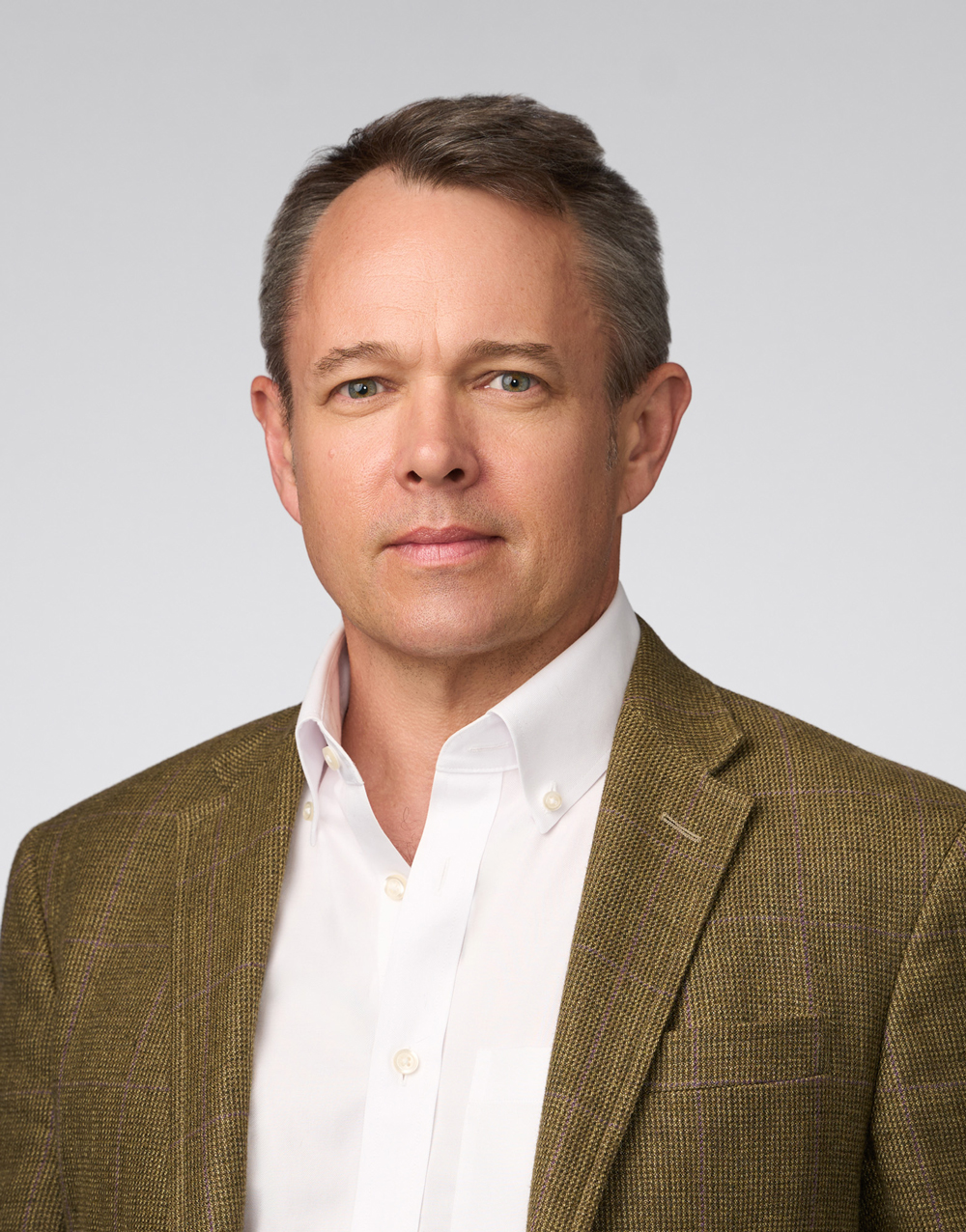
Christopher S. Chivvis is the director of the American Statecraft Program at the Carnegie Endowment for International Peace.
Jon Finer
Senior Distinguished Fellow in Residence, Tsai Leadership Program at Yale Law School
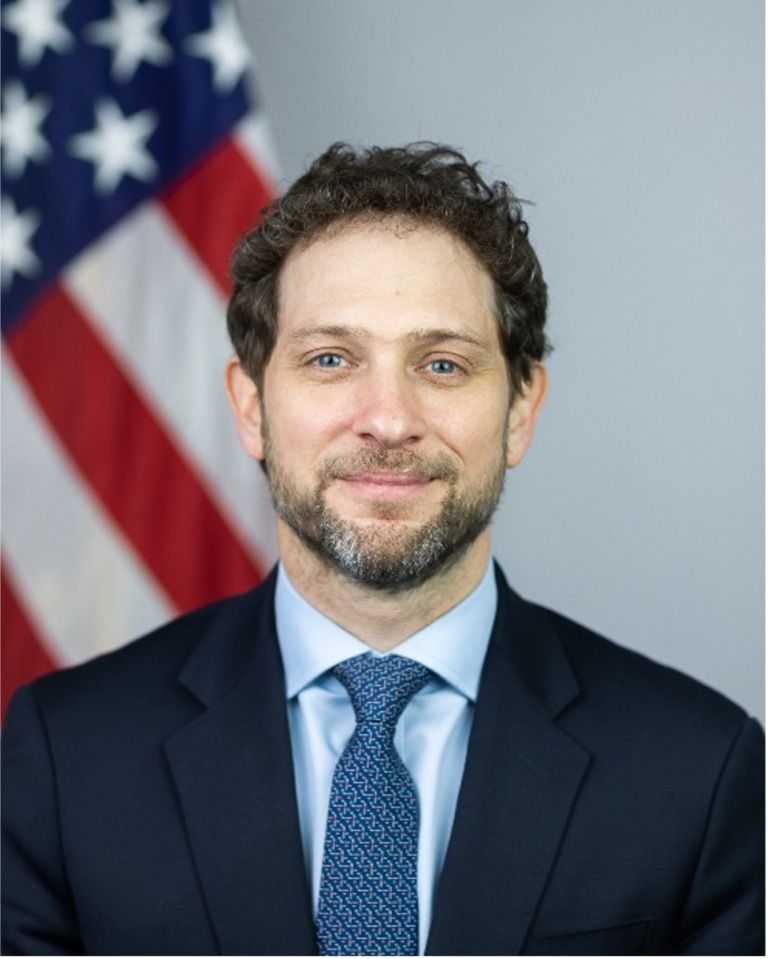
Jon Finer is the senior distinguished fellow in residence for The Tsai Leadership Program at Yale Law School. He served as Principal Deputy National Security Advisor for the Biden Administration. Finer was Chief of Staff and Director of Policy Planning for former Secretary John Kerry at the U.S. Department of State.
Jason Kwon

Jason Kwon is chief strategy officer at OpenAI, overseeing policy, legal, risk, international, marketing, and communications.
Open Session
Wed. October 14, 20262:45 PM - 4:00 PM PDT
Can We Really Balance AI Innovation and Safety?
Flash Talk: Implementing Trust but Verify: the California Approach to AI Safety
Scott Singer, Carnegie Endowment for International Peace
Discussion
Dan Baer (moderator), Senior Vice President, Carnegie Endowment for International Peace
Laurie Richardson, Vice President for Trust & Safety, Google
Sarah Heck, Head of Public Policy, Anthropic
Randi Michel, State of California (former)
During the last decade, scientists, policymakers, industry, and civil society have debated how to govern AI in the face of its potential to reshape economics, politics, science, and society. One of the first and most important rounds was settled in California with SB 53, the first law in the United States specifically governing frontier AI. How will California’s implementation impact the statute’s efficacy? How might California’s approach influence other jurisdictions engaging with or implementing a “trust but verify” framework? What steps can be taken to strengthen effective, reliable, frontier AI policy implementation in California and beyond?
Fellow, Technology and International Affairs, and Co-Director, China AI Initiative

Scott Singer is a fellow and co-director of the China AI Initiative at the Carnegie Endowment for International Peace, where his work explores the geopolitics and governance of advanced AI systems. He specializes in China’s AI ecosystem, with a particular focus on U.S.-China AI dialogue and diplomacy, U.S. and Chinese approaches to AI strategy, and comparative approaches to AI safety and risk management.
Senior Vice President; Director, Europe Program
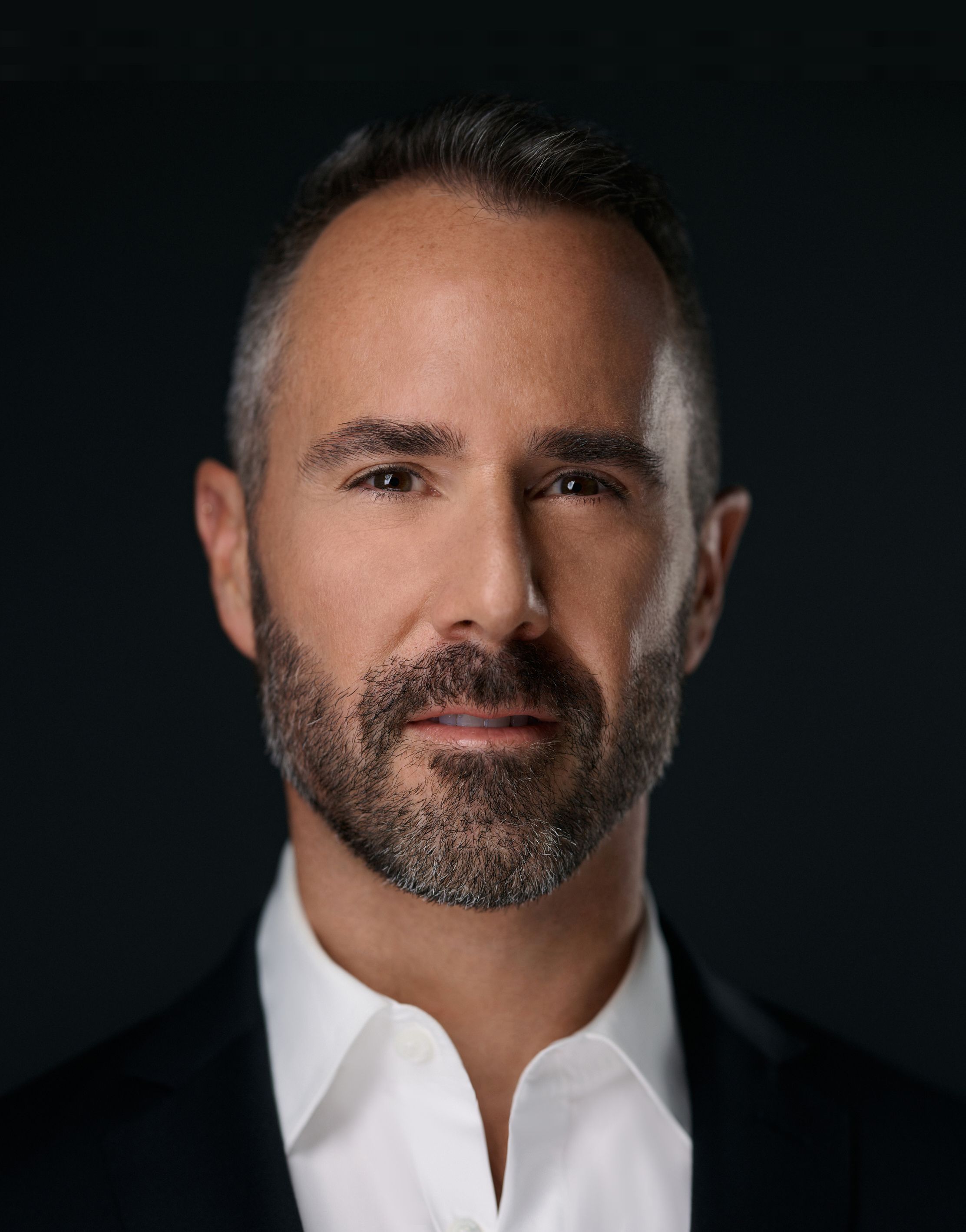
Dan Baer is a senior vice president of the Carnegie Endowment for International Peace and director of the Europe Program. Under President Obama, he was U.S. ambassador to the Organization for Security and Cooperation in Europe (OSCE) and he also served deputy assistant secretary of state for the Bureau of Democracy, Human Rights, and Labor.
Laurie Richardson
Vice President for Trust & Safety, Google

Laurie Richardson is vice president for Trust & Safety at Google. She leads the global team responsible for protecting users and platforms from abuse by developing the policies and technology that keep Google products safe and reliable.
Sarah Heck
Head of Public Policy, Anthropic

Sarah Heck is head of public policy at Anthropic, where she leads the company's work on AI governance in the U.S. and abroad after joining as head of external affairs.
Randi Michel
State of California (former)
Randi Michel is the former senior advisor for Technology to California Governor Gavin Newsom, where she also served as Deputy Cabinet Secretary and worked on the state's technology and AI agenda.
Open Session
Thu. October 15, 202611:15 AM - 12:30 PM PDT
Fixing Democracy—Frontiers for Public Engagement
Flash Talk: Updates from the Field
Jeffery Marino, Director, State of California Office of Data and Innovation
Discussion
Micah Weinberg (moderator), Carnegie California
Yasmin Green, Jigsaw (Google)
Liz Barry, MetaGov
Alice Siu, Stanford University
Adapt or die? Governments at every level face an expanding trust deficit. Existing processes for democratic engagement, no matter how well-intentioned, are often ossified or captured. Deliberative democracy practices have been shown to produce positive community outcomes and reduce polarization, yet new innovations like emerging technologies haven’t been widely integrated into actual decisionmaking processes. Those technologies provide opportunities to scale democratic processes and to bring in more voices but also open new questions. How can emerging technologies be effectively integrated into deliberative democracy practices? How must institutions overcome concerns about whether their algorithms accurately represent community voice?
Jeffrey Marino
Director, State of California Office of Data and Innovation
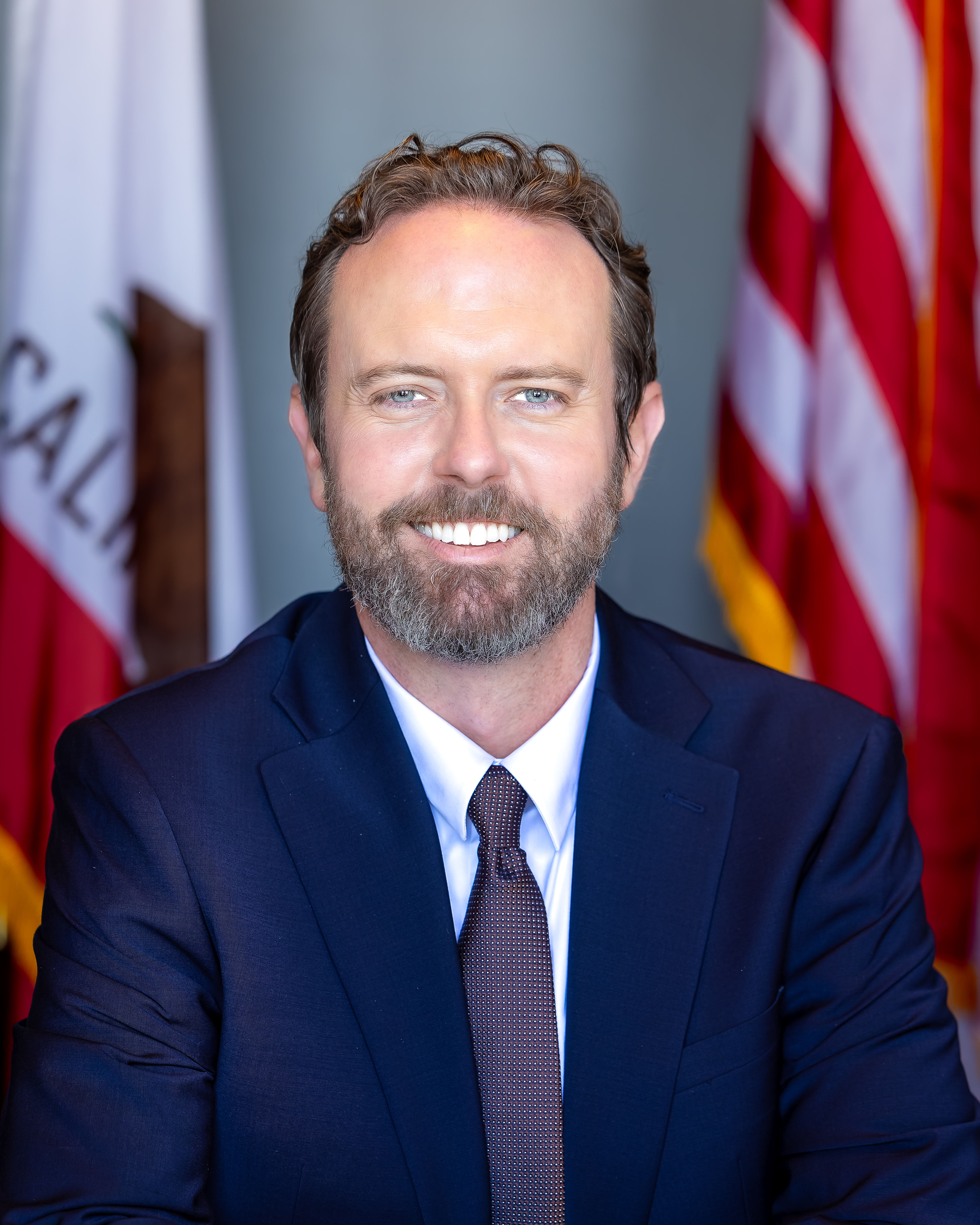
Jeffery Marino is director of California’s Office of Data and Innovation, where he leads efforts to improve government through human-centered design, data, and responsible AI.
Nonresident Scholar, Carnegie California

Dr. Micah Weinberg is a nonresident scholar at Carnegie California. His scholarship centers on the global relevance of the quality of democracy and public policy in this important subnational polity.
Yazmin Green
CEO, Jigsaw (Google)
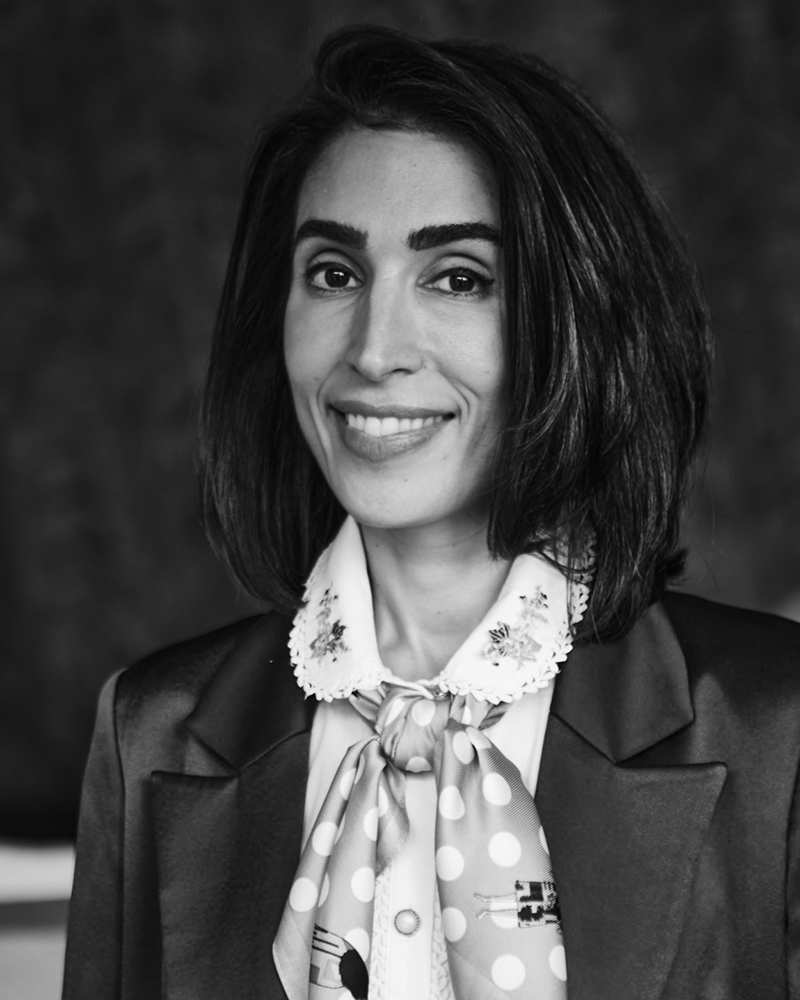
Yasmin Green is the CEO of Jigsaw, an incubator within Google that builds technologies to give people greater agency in the world around them. She has served in a variety of roles at Google, including strategy, business development, and operations in Europe, the Middle East, and Sub-Saharan Africa.
Liz Barry
Executive Director, MetaGov
Liz Barry is the executive director of Metagov. Liz works with facilitators, social movements, civil society organizations, journalists, indigenous nations, democratic governments, and peacebuilders to implement "listening at scale."
Alice Siu
Associate Director, Deliberative Democracy Lab, Stanford University
Alice Siu is the associate director at the Deliberative Democracy Lab at Stanford University.
Open Session
Thu. October 15, 20263:15 PM - 3:45 PM PDT
Re-thinking the Global–Local Connection
In the aftermath of World War II, U.S. policymakers linked domestic institutions and international order, weaving. Of late, and particularly in the wake of the financial crisis of 2007/2008, policymakers—Republican and Democrat—have struggled to draw a compelling link between the domestic and the international. The strategic imperative is clear: the resources needed to power success in the twenty-first century are dispersed around the globe. This conversation will consider the 2021 Inflation Reduction Act, the centerpiece of the Biden Administration’s domestic and international program and the hinge between them, which sought to kickstart the move towards the kind of green energy transition in a way that would bring jobs to the post-industrial heartlands. What worked? What might have worked with more time? And what other examples are currently being developed, including in the United Kingdom and China, to link place and foreign policy?
Jake Sullivan
Kissinger Professor of the Practice of Statecraft and World Order, Harvard Kennedy School
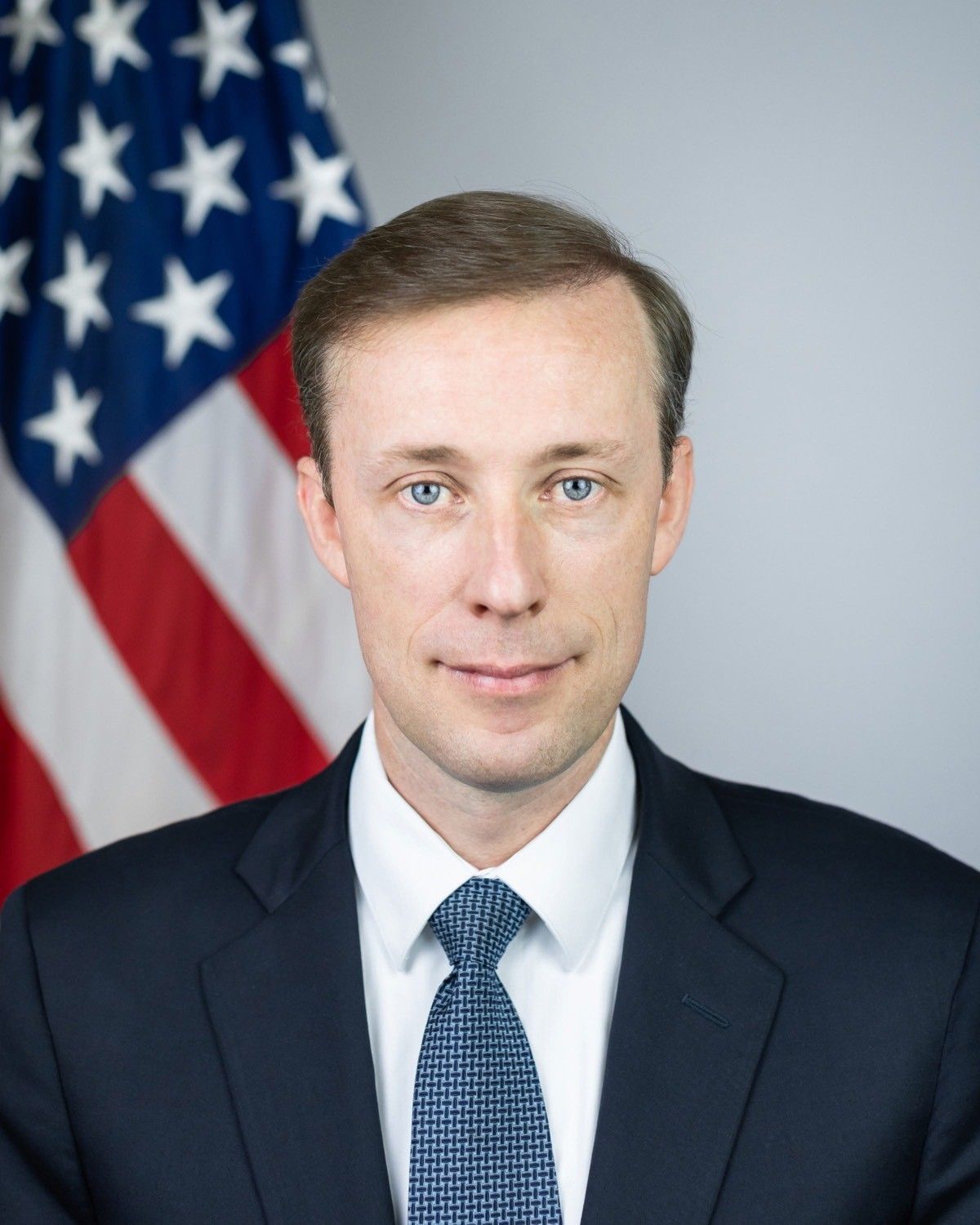
Jake Sullivan is the Kissinger Professor of the Practice of Statecraft and World Order at the Harvard Kennedy School and a Senior Fellow at the Carsey School of Public Policy at the University of New Hampshire. He was the 28th Assistant to the President for National Security Affairs (National Security Advisor) from January 2021 to January 2025. In the Obama Administration, he served as National Security Advisor to then-Vice President Biden, Director of the Policy Planning Staff at the U.S. Department of State, and Deputy Chief of Staff to Secretary of State Hillary Clinton.
Founding Director, Carnegie California

Ian Klaus is the founding director of Carnegie California. He is a leading scholar on the nexus of urbanization, geopolitics, and global challenges, with extensive experience as a practitioner of subnational diplomacy.
Open Session
Thu. October 15, 20263:45 PM - 4:45 PM PDT
What Kind of Power Should California Be?
Discussion
Melanie Mason (moderator), Politico
Emily Desai, California Governor’s Office of Business and Economic Development
Brad Henderson, P33
California is at once an icon and an economic engine, a source of soft power as well as technological innovation. It has one of the largest public university systems in the world and is the largest producer of agriculture in the nation. Its policies—on a huge range of issues from AI safety to climate change to agricultural production—have historically had extra-jurisdictional impact within the U.S. and abroad. How do these pieces come together, and what role do West Coast institutions have to play at this moment of geopolitical disruption?
Melanie Mason
California Bureau Chief, Politico
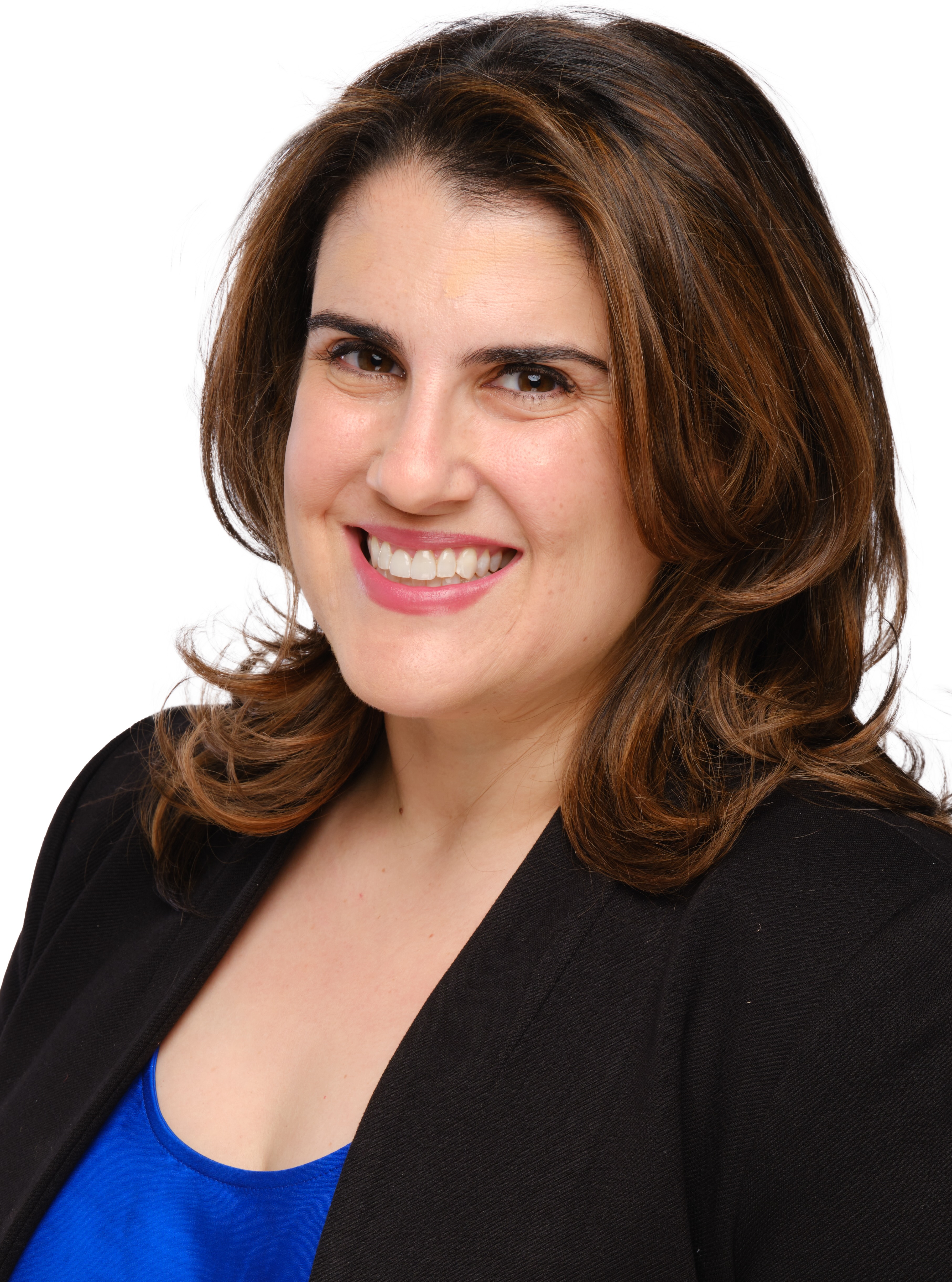
Melanie Mason is the California bureau chief and co-author of POLITICO's California Playbook. As Bureau Chief, Melanie is the lead reporter on the state's top political storylines and generates coverage ideas and execution plans across the California political and policy teams. As Playbook co-author, she delivers agenda-setting, scoop-driven reporting into the state’s most authoritative political newsletter.
Emily Desai
Chief Deputy Director, California Governor’s Office of Business and Economic Development
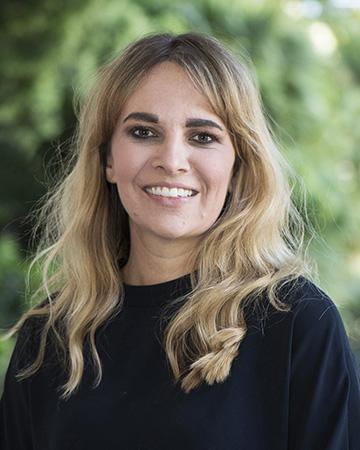
Emily Desai was appointed by Governor Gavin Newsom to serve as the chief deputy director at the Governor’s Office of Business and Economic Development (GO-Biz).
Brad Henderson
Executive Director, P33
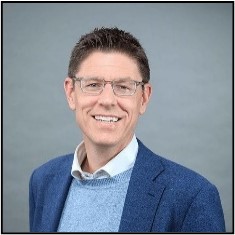
Brad Henderson is the founding CEO of P33 where he is leading the nonprofit organization to drive global technology leadership for Chicago and inclusive economic growth.
Open Session
Closing Remarks
Thursday, October 15th, 2026, 4:45 PM - 5:00 PM PDT